April 07, 2026
A kettle sealing ring, also known as a kettle gasket, is a crucial component ensuring a tight seal between the kettle body and lid. This seemingly small part prevents leaks and maintains consistent temperature during boiling. Choosing the right sealing ring is vital for optimal kettle performance and longevity. At GYF Silicone, we specialize in high-quality silicone sealing rings designed for a variety of kettle types and applications. Understanding the materials, sizes, and maintenance of these rings can significantly improve your kettle’s usability and lifespan.
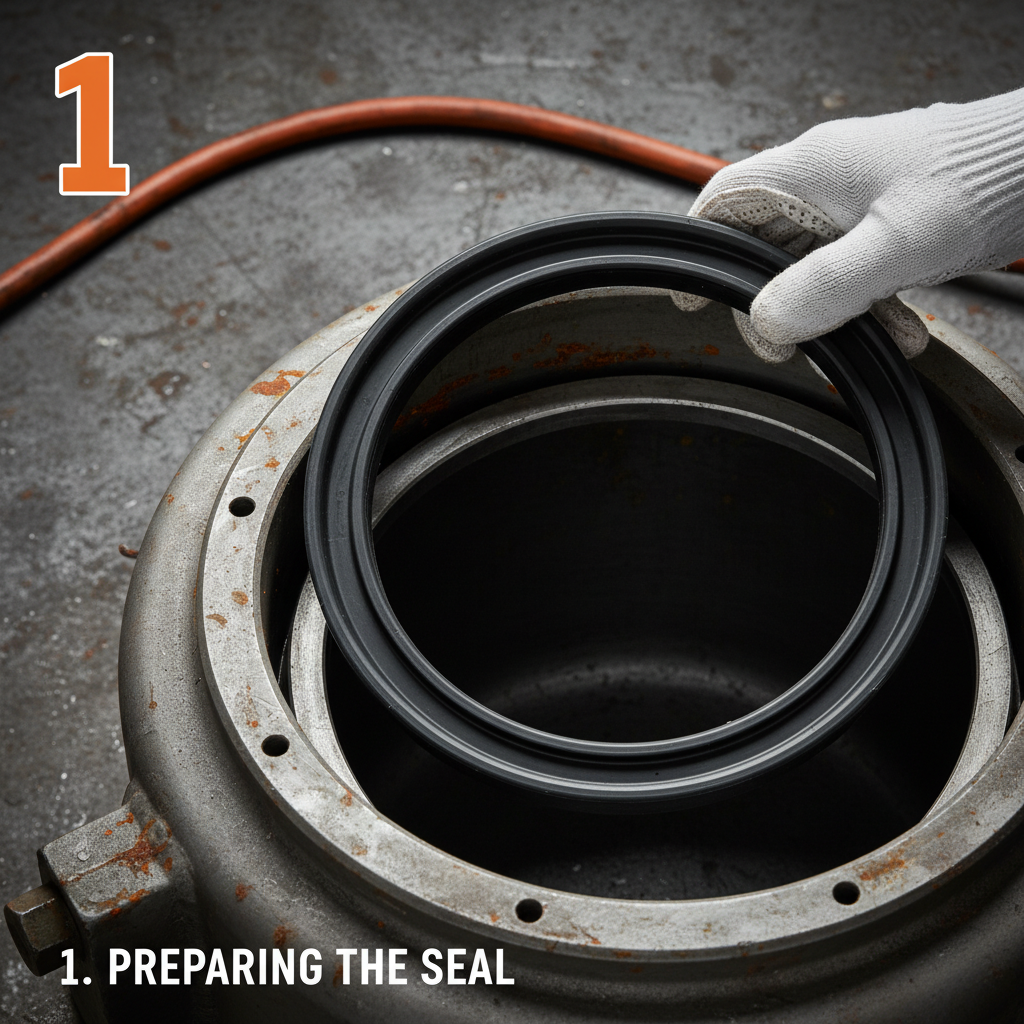
Kettle sealing rings are commonly made from several materials, each with its own advantages and disadvantages. Silicone is the most popular choice due to its heat resistance, flexibility, and non-toxic properties. Rubber is another option, but it's generally less durable and can impart a taste or odor to the water. Plastic sealing rings are the least durable and can warp or crack with repeated exposure to high temperatures. At GYF Silicone, we focus on producing high-grade silicone sealing rings that are both safe and long-lasting.
Key Benefits of Silicone Sealing Rings: Heat Resistance, Flexibility, Non-toxic, Durable, Odorless & Tasteless
Selecting the correct size and type of sealing ring is paramount. The ring must fit snugly into the kettle lid groove to create a secure seal. Too small, and it will leak; too large, and it might be difficult to install or could even damage the kettle. Kettle sealing rings come in various sizes and shapes (round, square, etc.), so it’s essential to measure the existing ring or consult your kettle’s manual. GYF Silicone offers a wide range of sizes and can also create custom sealing rings to meet specific needs.
Key Considerations When Choosing:
• Measure the existing ring’s inner and outer diameter.
• Identify the ring’s shape (round, square, etc.).
• Consider the kettle material (stainless steel, plastic, glass).
• Choose food-grade silicone for safety.
Different materials possess unique properties, impacting their suitability for kettle sealing rings. This table provides a comparative overview:
Regular maintenance can significantly extend the life of your kettle sealing ring. Avoid using abrasive cleaners, as these can damage the material. Periodically inspect the ring for cracks, tears, or deformation. If the ring becomes brittle or no longer provides a tight seal, replace it immediately. GYF Silicone recommends replacing your sealing ring every 6-12 months, depending on usage frequency.
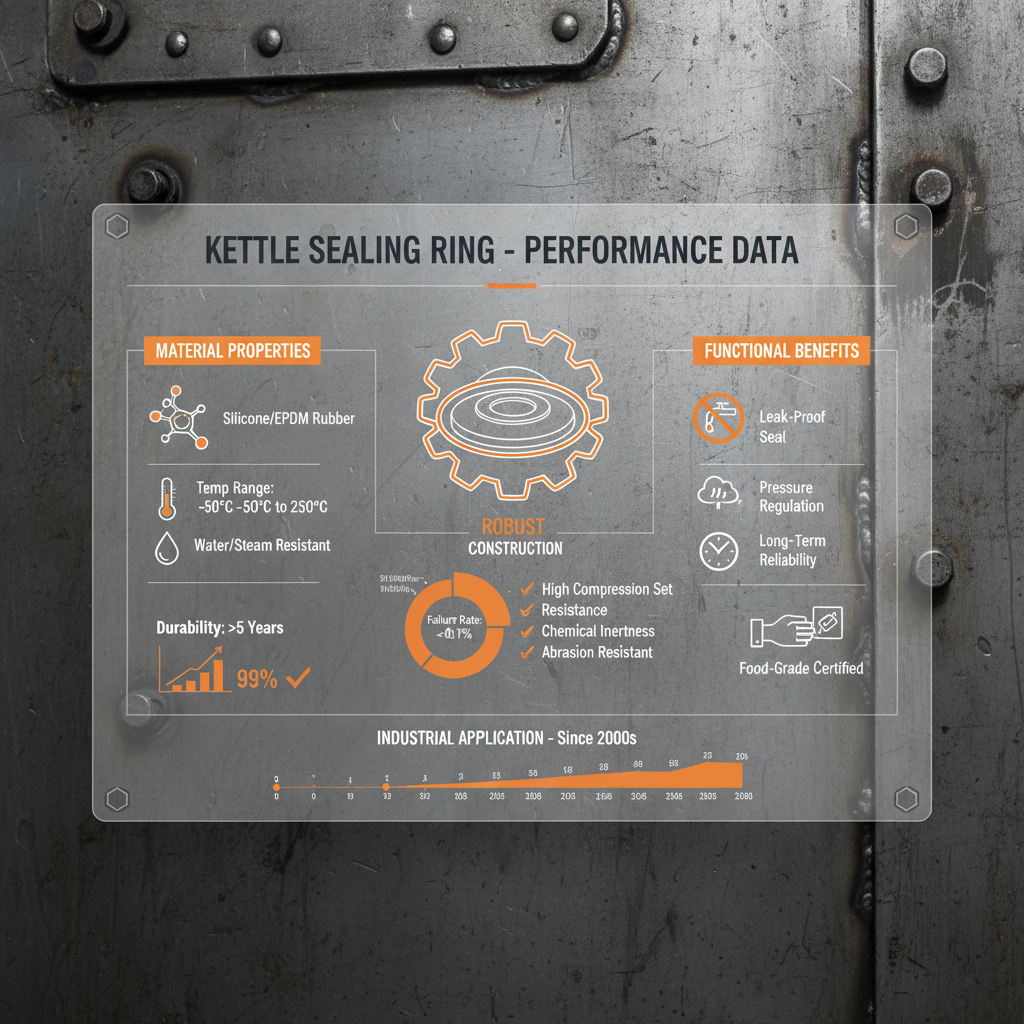
At GYF Silicone, we pride ourselves on delivering high-quality, durable, and safe kettle sealing rings. We offer a wide variety of sizes and can also provide custom solutions to meet your specific requirements. Our silicone rings are manufactured to the highest standards and are guaranteed to provide a reliable seal. Contact us today to learn more about our products and services.
Investing in a high-quality kettle sealing ring from GYF Silicone ensures your kettle operates efficiently and safely. Our durable silicone rings are designed to withstand high temperatures and provide a leak-proof seal, extending the lifespan of your appliance and providing peace of mind. Choose GYF Silicone for reliable performance and exceptional quality.
It's generally recommended to replace your kettle sealing ring every 6-12 months, depending on how frequently you use your kettle. However, you should inspect it regularly for signs of wear and tear, such as cracks, brittleness, or deformation. If you notice any damage, replace the ring immediately, even if it hasn’t been a year. Using a damaged sealing ring can lead to leaks and potentially dangerous situations. GYF Silicone offers a wide selection of replacement rings to suit your needs.
Several factors can contribute to sealing ring failure. Exposure to high temperatures over time can cause the material to become brittle and crack. Frequent stretching and compression during lid removal and replacement can also lead to wear and tear. The use of abrasive cleaning agents can degrade the material. Additionally, mineral buildup from hard water can sometimes damage the ring. Choosing a high-quality silicone ring, like those offered by GYF Silicone, can significantly improve its lifespan.
While some people recommend using petroleum jelly, it’s generally not advisable. Petroleum jelly can attract dirt and debris, potentially compromising the seal. It can also degrade the silicone over time. If you're experiencing difficulty getting the ring to seal, try gently cleaning the ring and the kettle lid groove with a mild detergent and water. Ensuring both surfaces are clean and free of debris is usually sufficient. Using a food-grade silicone lubricant specifically designed for sealing rings is a better alternative if lubrication is necessary.
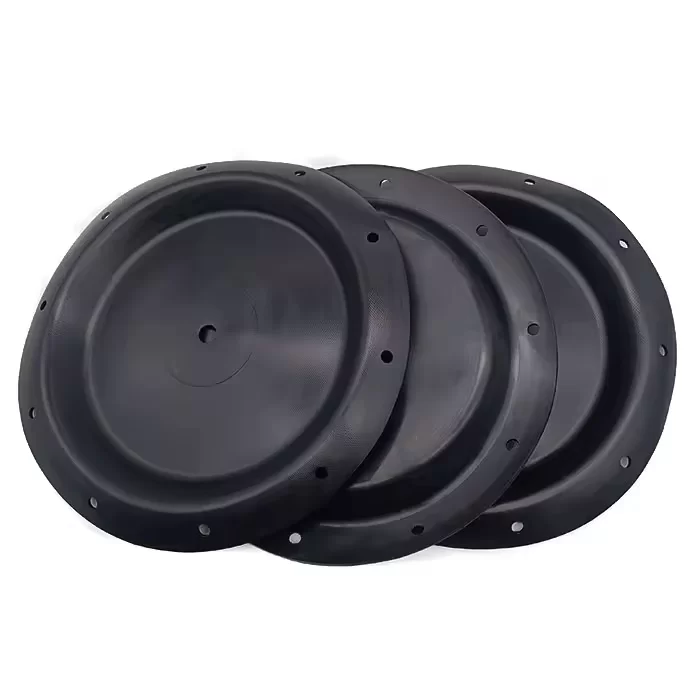
Long Service Life Pneumatic Diaphragm Pump Silicone Rubber Diaphragm
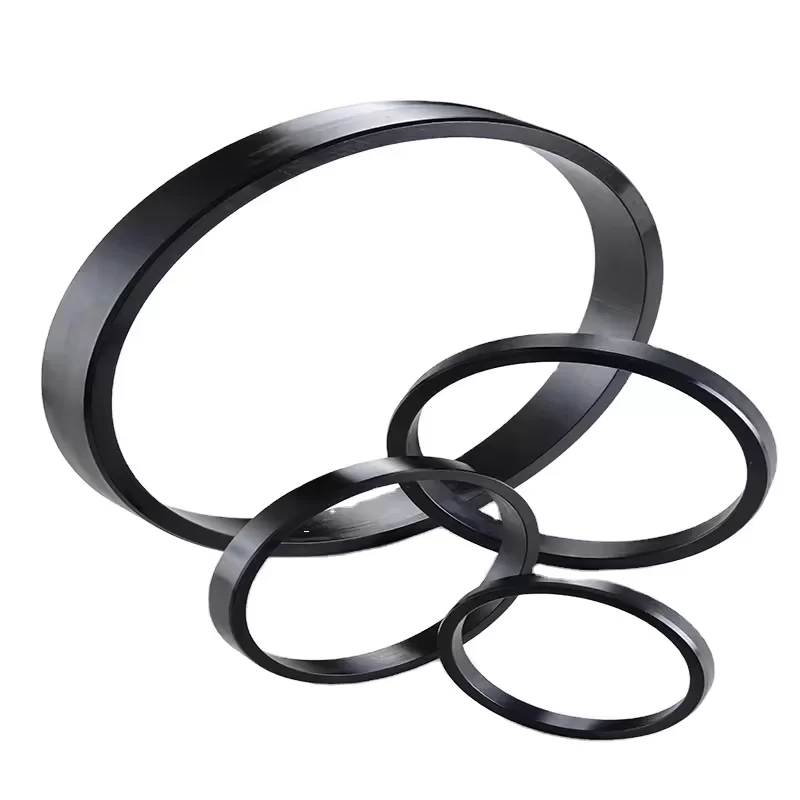
Rubber SealNBR Ring for Hydraulic Cylinders Piston
Similar MONO Progressive Cavity Pump Pin Seal

Apr 17, 2026
Advanced Air Sterilization Machine for Indoor Air Quality and Safety