March 05, 2026
Maintaining a clean and efficient water dispensing system is crucial for businesses and homes alike. A vital component often overlooked is the water dispenser silicone tube. This article delves into the importance, benefits, and selection criteria for these tubes, offering a detailed guide to ensure optimal performance and hygiene. Choosing the right silicone tube can significantly extend the lifespan of your water dispenser and prevent contamination. We’ll explore everything from material properties to essential specifications.

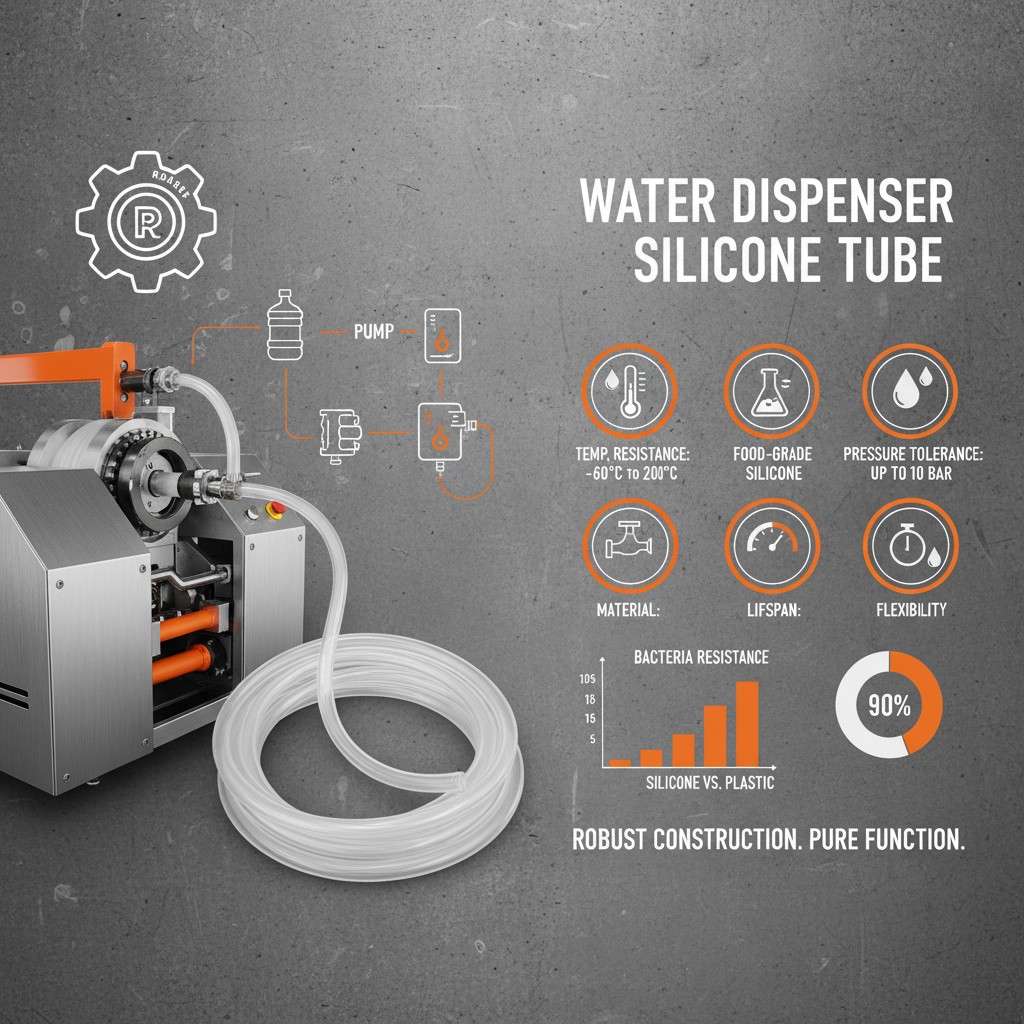
Water dispenser silicone tubes are responsible for safely and efficiently transferring water from the reservoir to the dispensing nozzle. Unlike older materials, silicone is non-toxic, odorless, and tasteless, preventing any alteration to the water’s purity. It’s also highly flexible, making installation and maintenance easier. The durability of silicone ensures a long lifespan, reducing the need for frequent replacements. Furthermore, silicone's resistance to extreme temperatures allows it to function reliably in a variety of environments. GYF Silicone offers a wide range of these essential components.
Key Benefits: Non-toxic, odorless, tasteless, flexible, durable, and temperature resistant.
High-quality water dispenser silicone tubes boast several key features. Firstly, they’re manufactured from 100% food-grade silicone, ensuring the water remains safe for consumption. Secondly, the smooth inner surface minimizes bacterial buildup and facilitates easy cleaning. Thirdly, excellent flexibility allows for easy routing through complex dispenser systems. Fourthly, resistance to UV exposure and aging extends the tube's lifespan. Finally, proper sizing and wall thickness are essential for maintaining water pressure and preventing leaks. GYF Silicone's tubes are designed with these features in mind, offering exceptional performance and reliability.
While various materials can be used for water dispenser tubing, silicone stands out for its superior properties. Compared to PVC or rubber, silicone offers better temperature resistance, enhanced durability, and a complete lack of leachable chemicals. PVC can become brittle over time, while rubber may impart an unpleasant taste or odor to the water. Silicone remains flexible and reliable even after prolonged use. Choosing the right material directly impacts the quality and safety of your water.
Material Comparison:
• Silicone: Excellent temperature resistance, durable, non-toxic, odorless, tasteless.
• PVC: Lower cost, but becomes brittle with age, potential for chemical leaching.
• Rubber: Can impart taste/odor, less durable than silicone, potential for degradation.
Selecting the correct size and specifications is critical. Silicone tubes are typically measured by their inner diameter (ID) and outer diameter (OD), as well as wall thickness. Common sizes for water dispensers range from 3/8" ID to 1/2" ID. Wall thickness influences the tube’s pressure resistance; thicker walls can handle higher pressures. It's also important to consider the tube’s length and any specific bends or fittings required for your dispenser model. GYF Silicone offers custom sizing options to meet your exact needs.
Regular maintenance is key to extending the life of your silicone tube. This includes periodic cleaning to remove any buildup or sediment. Use mild soap and warm water, and rinse thoroughly. Inspect the tube regularly for cracks, kinks, or discoloration. If any damage is detected, replace the tube immediately to prevent contamination. GYF Silicone recommends replacing your silicone tube every 12-18 months, depending on usage and water quality.
Investing in high-quality water dispenser silicone tubes from a reputable supplier like GYF Silicone is crucial for maintaining water purity and ensuring the longevity of your dispensing system. By understanding the importance of material selection, proper sizing, and regular maintenance, you can guarantee a reliable and hygienic water supply. Don't compromise on quality – choose GYF Silicone for superior performance and peace of mind.
The lifespan of a silicone tube depends on several factors, including water quality, usage frequency, and exposure to sunlight. Generally, it’s recommended to replace the tube every 12-18 months to maintain optimal hygiene and performance. Regular inspection for cracks, discoloration, or stiffness is essential. If you notice any signs of degradation, replace the tube immediately. Using filtered water and storing the dispenser in a cool, dark place can help extend the tube's lifespan. GYF Silicone provides durable options to maximize longevity.
Cleaning a silicone tube is straightforward. Disconnect the tube from the dispenser and flush it thoroughly with warm water. You can use a mild dish soap to remove any buildup, but ensure it is completely rinsed away. Avoid using harsh chemicals or abrasive cleaners, as these can damage the silicone. For stubborn residue, you can soak the tube in a solution of warm water and baking soda. After cleaning, ensure the tube is completely dry before reconnecting it to the dispenser.
Food-grade silicone is specifically formulated to be non-toxic, odorless, and tasteless, ensuring it doesn't leach any harmful chemicals into the water. This is crucial for maintaining the purity and safety of drinking water. It's also highly durable and resistant to extreme temperatures, making it ideal for use in water dispensers. Choosing food-grade silicone provides peace of mind, knowing that your water is free from contaminants. GYF Silicone uses only certified food-grade materials.
To determine the correct size, you’ll need to measure the inner diameter (ID) and outer diameter (OD) of the existing tube or the fittings on your dispenser. The ID is the most critical measurement, as it must match the size of the connections. You can use a ruler or calipers to take accurate measurements. If you're unsure, it’s always best to err on the side of caution and choose a slightly larger size, as it can be adjusted with clamps. GYF Silicone offers assistance with sizing if needed.
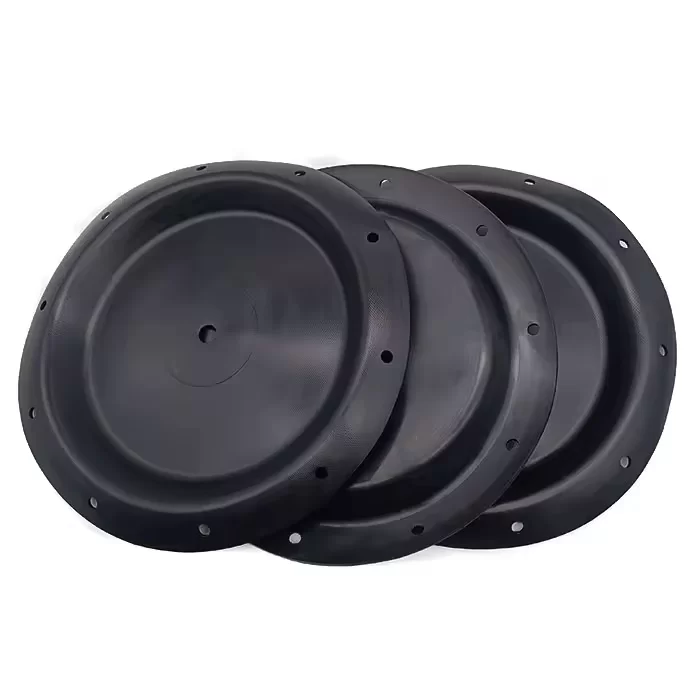
Long Service Life Pneumatic Diaphragm Pump Silicone Rubber Diaphragm
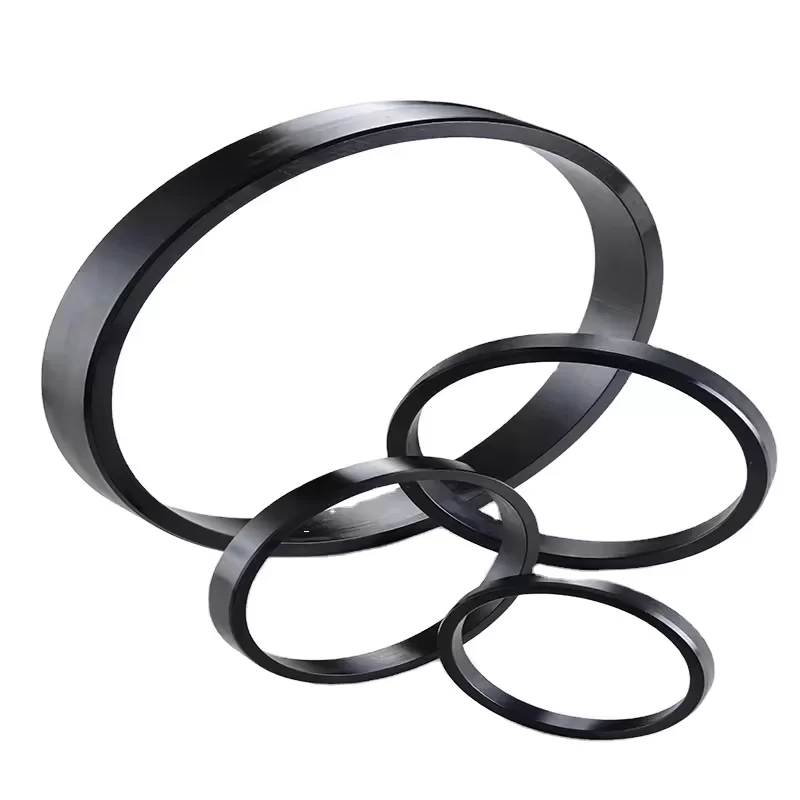
Rubber SealNBR Ring for Hydraulic Cylinders Piston
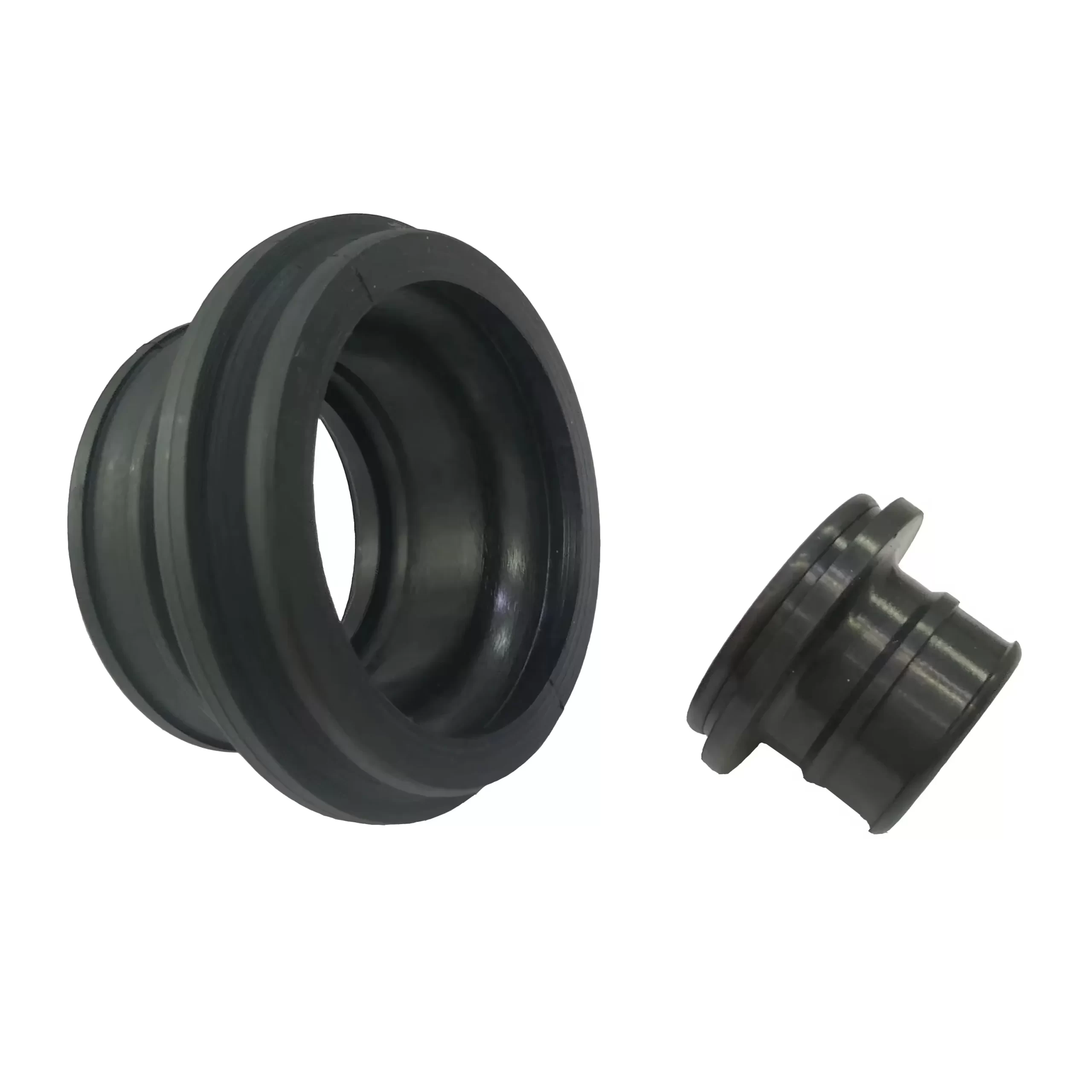
Similar MONO Progressive Cavity Pump Pin Seal

Apr 17, 2026
Advanced Air Sterilization Machine for Indoor Air Quality and Safety